
Reboot’s Position on AI and Critical Thinking in Children
The Reboot Foundation is devoted to elevating critical thinking and reflective thought in a time of vast technological change. Although the long-term educational impact of artificial intelligence remains uncertain, AI is quickly permeating classrooms at every level. Indeed, three out of four educators predict that the technology will have a bigger impact on their classrooms than did the internet or personal computers.
The Dependency Paradox: Efficiency vs. Intellect
The Inevitability of AI: Artificial Intelligence is not going away. It is a permanent structural shift, similar to the early internet and social media. Under the right circumstances, AI can boost a worker’s productivity, help people identify conspiracy theories and misinformation, and improve a student’s academic performance. It can even help people become better critical thinkers. However, unchecked AI use can erode a user’s analytical and problem solving skills over the long-term.
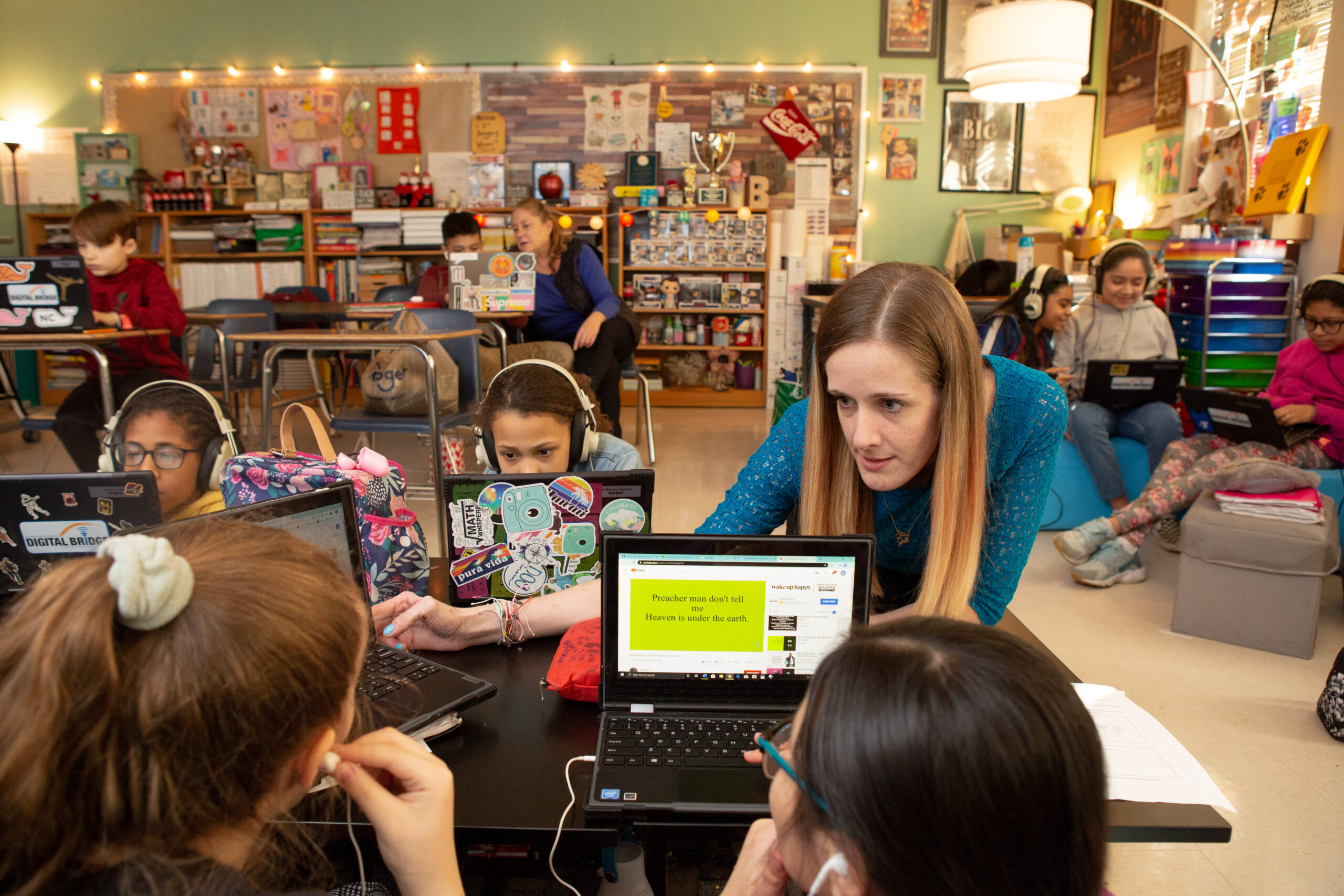
The Dependency Paradox: The problem is one of human nature. We are too quick to outsource our brains – called “cognitive offloading” – and allow AI to think for us. When we do that, we eliminate the mental effort needed to learn something new. Researchers have found that students who score well when using AI in the classroom see their performance plummet when the technology is taken away.
Reboot’s Position on AI and Critical Thinking: The Reboot Foundation is devoted to elevating critical thinking in a time of vast technological change. Our goal is to provide the knowledge and tools to help people improve their skills in critical thinking and reflective thought. With AI permeating every aspect of modern life, these are the habits of mind that will determine whether technology empowers human potential or erodes it.
Stance on AI in Education: Moving from Answers to Scaffolding
Critical Thinking Comes First. Then AI: Reboot opposes the unguided use of AI tools in schools or at home until users have developed the foundational critical thinking skills necessary to evaluate AI output for accuracy, logic, bias, and context. Failure to do so can create false confidence in users where they are unaware of how their AI use is undermining their analytical skills.
Championing “Smart Guardrails:” Reboot advocates for student-facing AI to be integrated strictly within structured academic frameworks where it can act as a “sparring partner” or “more knowledgeable other” within the Zone of Proximal Development – the cognitive sweet spot for learning. Researchers have found using AI in these ways can generate statistically significant gains in critical thinking and reflective skepticism.
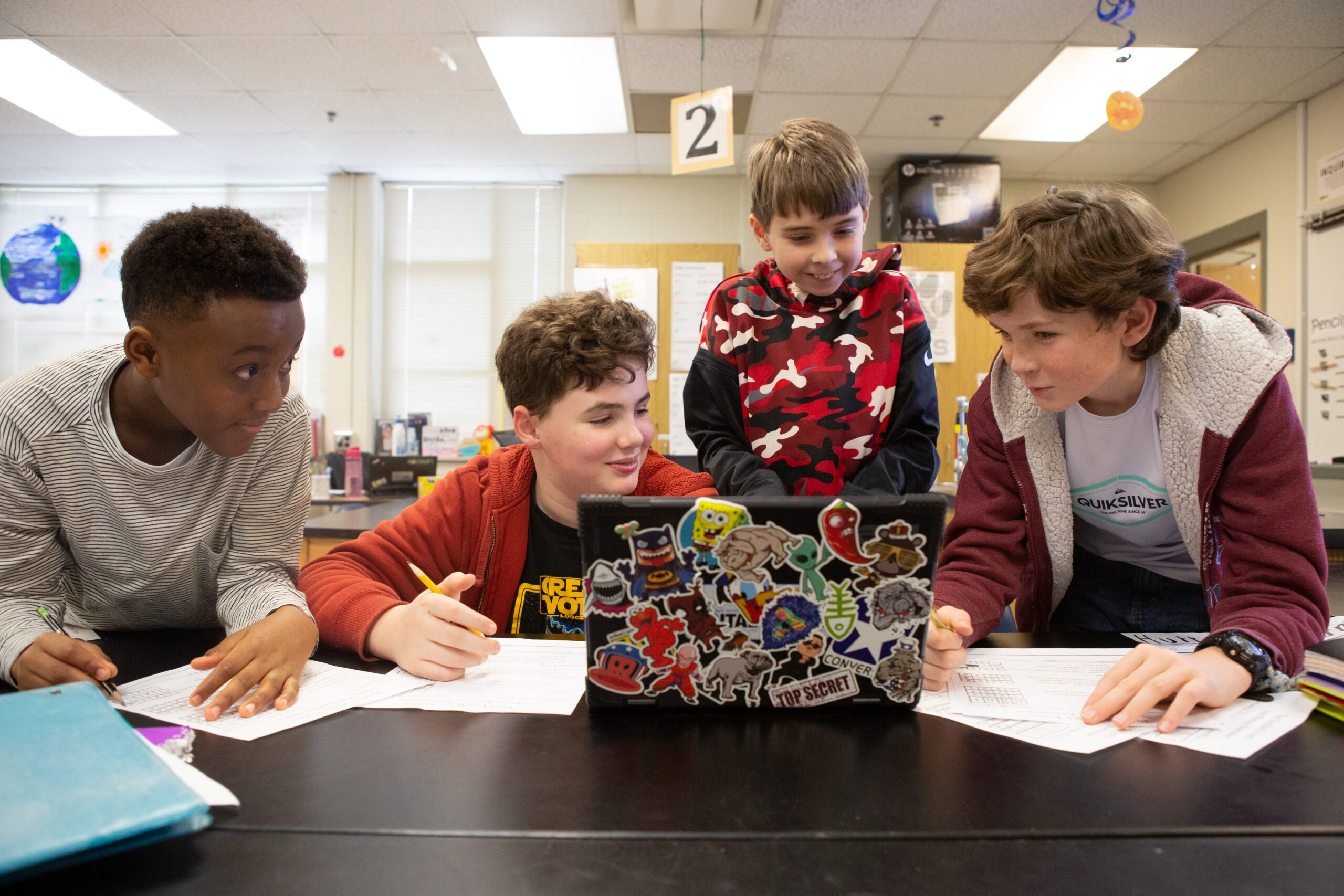
Preserving “Paper and Pencil” Baseline Skills: Technology must not replace proven learning methods, like using pencil-and-paper to work math problems, or supplant the teacher’s role in the learning process. A deliberate blend of traditional learning techniques and AI-assisted processes can ensure that students do not overly rely on technology to do their work for them.
Prioritizing Critical Thinking in the Age of AI
Given the potential for AI to negatively impact learning and the stakes involved, educators and parents must prioritize critical thinking at all levels of schooling to ensure young people develop the foundational thinking skills needed to maximize the technology’s potential while minimizing its risks.
This is why the Reboot Foundation opposes the deployment of AI in classrooms before young people have developed their critical thinking skills. Practically speaking, this means no student-facing AI until middle school at the earliest. What’s more, the foundation categorically opposes unfettered and unsupervised AI in the classroom at all levels.
Once deployed in classrooms, AI must be integrated within structured learning frameworks and edtech platforms where it can best assist learning. Instead of replacing manual problem-solving, the AI must be configured to challenge student assumptions, prompt for counter-evidence, and elicit justification for student claims. In this way, AI use will help build critical thinking skills in its users.
In high school and beyond, students who have established their foundational logic skills can use the AI to stress-test their own writing and reasoning. By requiring students to audit, verify, and refute AI outputs, schools ensure that technology reinforces cognitive development rather than facilitating cognitive offloading. This ensures that even when AI is present in the classroom, the cognitive heavy lifting – such as constructing an argument, testing a hypothesis or refining mental models – remains entirely on the student.
Ultimately, technology must enhance good teaching and proven pedagogical foundations, not supplant them. Preserving traditional methods like paper-and-pencil problem solving and ensuring AI-powered learning platforms do not allow for cognitive offloading can help ensure that students develop the critical thinking skills needed to determine whether technology empowers their potential or diminishes it.